[Creating the Feminist Principles of the internet](https://www.genderit.org/gender-sexuality-and-internet-imagineafeministinternet "#imagineafeministinternet") [Making a Feminist internet](https://www.genderit.org/making-feminist-internet-building-movements-remembering-resistance-hacking-security-and-care "Making a feminist internet")
Currently, the FPIs take the form of 5 clusters of 17 principles, or statements, that offer a **gender and sexual rights lens on critical internet-related rights**. These clusters include principles on: 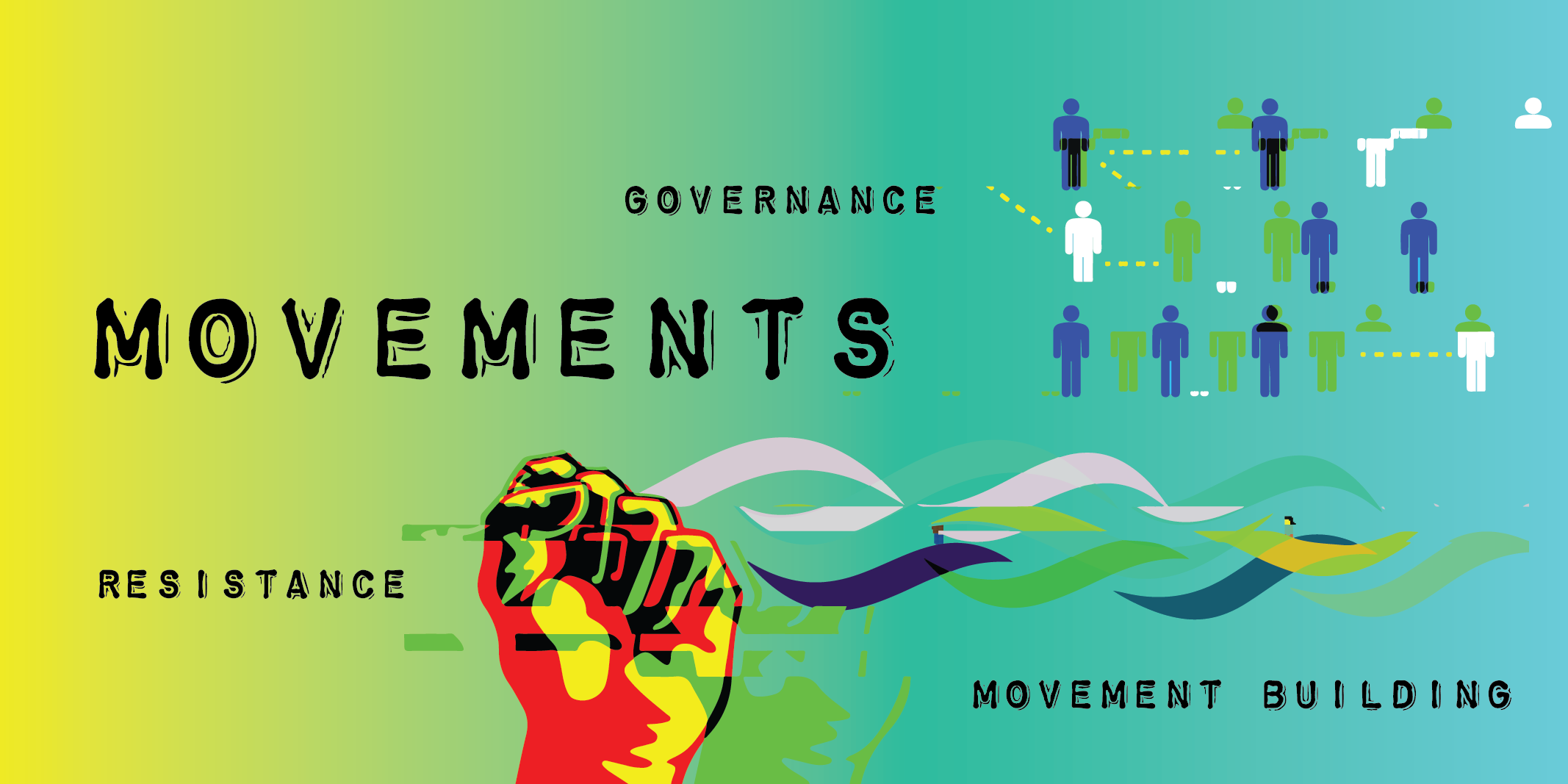    #### **What is a local conversation and why have one?** These principles were never designed to remain tucked away on a webpage. They emerged out of a deep desire by feminist activists for **tools** to articulate what we mean when we talk about a feminist internet. But the FPIs are not useful if they do not **resonate with the experiences and desires of diverse women and queer folk** when engaging with and shaping the internet in their local contexts. A local conversation about the FPIs helps activists in their spaces of activism to **contextualise the FPIs and apply a feminist lens to local experiences. ** Bringing activists together in your community to speak about the FPIs can enable you to: - Deepen your analysis and understanding of the local experiences that women and queer folk have when using the internet - Identify what is missing in the FPIs and how your local context can inform their continued strengthening **Do you want to host a local conversation about the Feminist Principles of the Internet? We hear you! You’ve come to the right place!** #### **About this kit** We offer this kit as **a guide on how to host a local conversation with activists in your community about the Feminist Principles of the Internet. ** It is intended for our broader APC community, feminist internet communities, women and gender-diverse activists, sexual rights activists curious about technology, internet rights activists interested in feminist practice, and magical humans like **you**. The pages below are an **archive of practices**! They contain the many knowledges of digital security trainers, conversation facilitators and event organisers from around the world who have generously shared their practices for planning feminist events, holding healthy conversations, and getting our hands dirty with technology. The kit provides guidance on: - How to organise a local conversation about the FPIs, whether it be face-to-face or in the virtual rooms and verandas of the internet - How to hold a feminist space and facilitate healthy conversation - Fun and provoking activities and conversation methods - How to support the production of thought pieces and creative communications to share insights from your local conversation #### **How to use this kit** The kit is a guide that has grown from our years of experience holding feminist spaces to engage with technology. It has been designed as a step-by-step process covering different aspects of hosting a local conversation and the things you may want to consider. However, it is not intended to be prescriptive in any way, but is rather an offering - a means of sharing what we have learnt. We encourage you to take what is useful, self-navigate through the kit, jump to the sections you need the most, and most importantly, play, mess around and experiment with this kit! Deconstruct, rebuild and adapt the points in this guide to your own needs, desires and realities. In the final pages, you will find a list of relevant resources on particular aspects of hosting a local conversation for further reading. You will also find an appendix with downloadable templates and frameworks that can help shape conversation materials and activities. Read through each section, or jump to the sections that interest you the most using the page links in the table of contents!| ##### [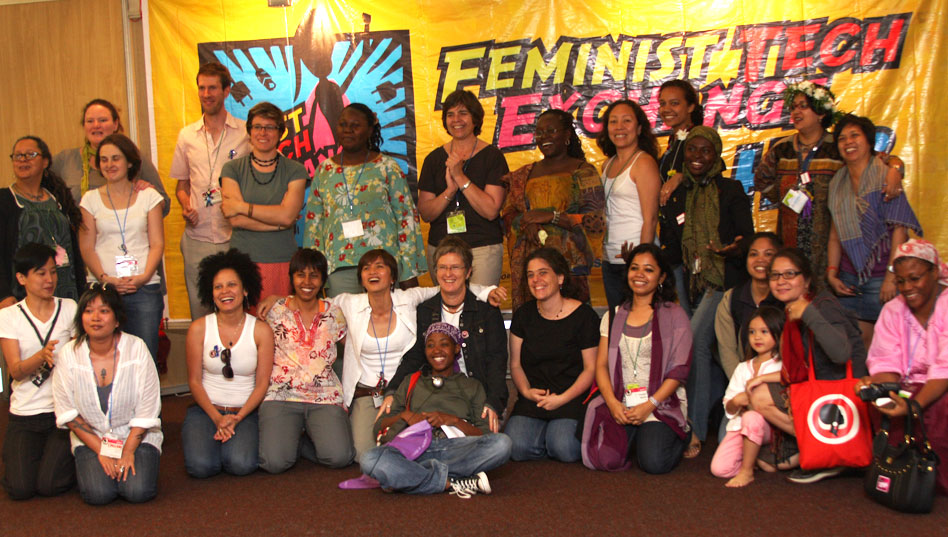](https://explorefpi.apc.org/books/explore-fpis-toolkit/chapter/chapter-1-how-to-organise-an-fpi-convening "Chapter 1. How to organise an FPI convening")[Chapter 1. How to organise an FPI convening](https://explorefpi.apc.org/books/explore-fpis-toolkit/chapter/chapter-1-how-to-organise-an-fpi-convening "Chapter 1. How to organise an FPI convening") | ##### [Chapter 2. Holding space and getting to know each other](https://explorefpi.apc.org/books/explore-fpis-toolkit/chapter/chapter-2-holding-space-and-getting-to-know-each-other "Chapter 2. Holding space and getting to know each other") |
| ##### [Chapter 3. Playing with tech](https://explorefpi.apc.org/books/explore-fpis-toolkit/chapter/chapter-3-playing-with-tech "Chapter 3. Playing with tech") | ##### [Chapter 4. How to introduce the FPIs](https://explorefpi.apc.org/books/explore-fpis-toolkit/chapter/chapter-4-how-to-introduce-the-fpis "Chapter 4. How to introduce the FPIs") |